

By The Stacey Froelich Team | November 11, 2026
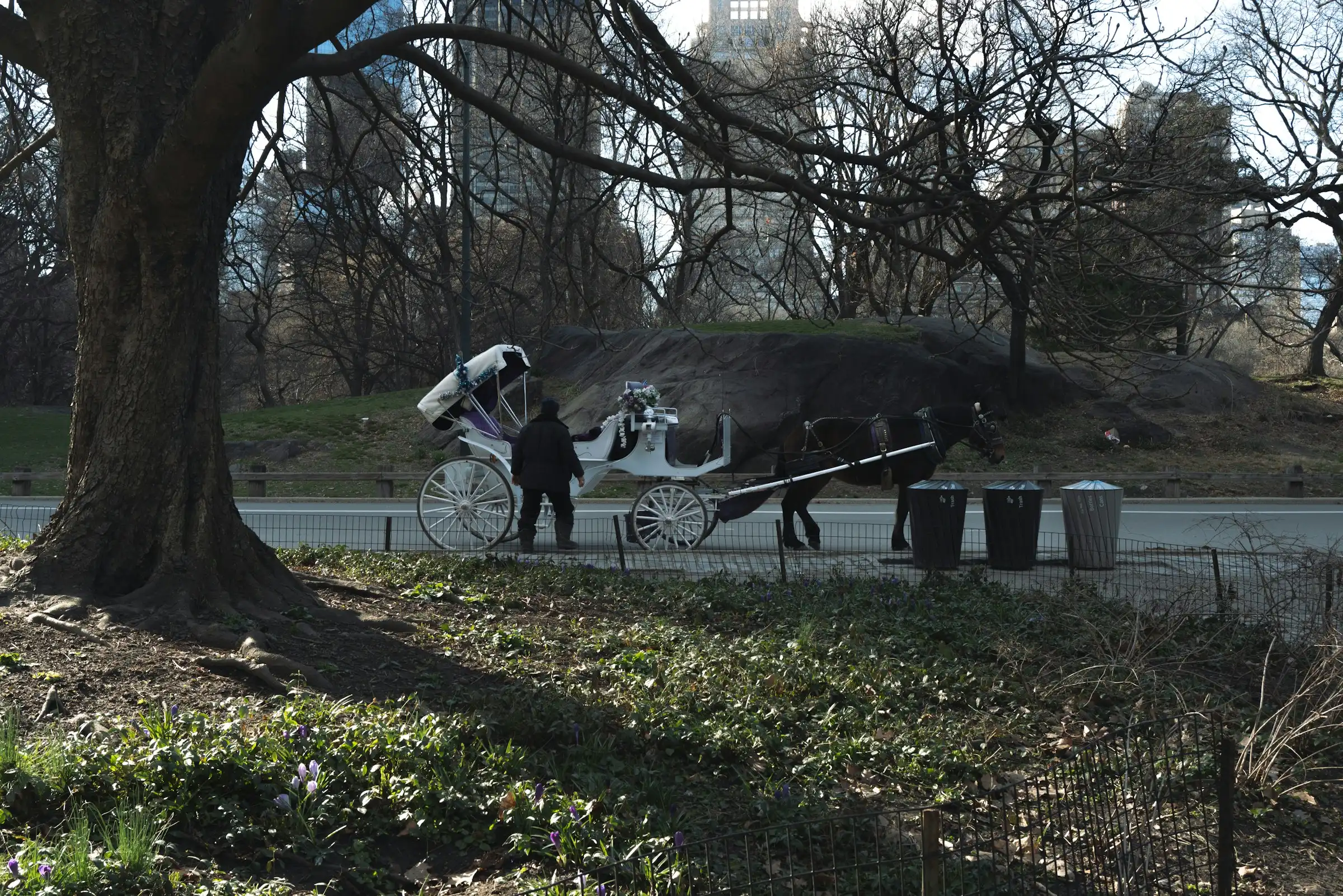
Central Park’s horse-drawn carriages, a fixture of the park since 1858, now have an end date. The New York City Council has approved legislation that winds down the carriage horse industry over the next 19 months, closing out a debate that has run through four mayoral administrations.
Quick Answer: The New York City Council voted 40 to 7 on October 22, 2026 to pass Romanch’s Law (Int. 943-A), which ends horse-drawn carriage rides in New York City. Existing licenses expire May 31, 2028, and no new ones may be issued on or after June 1, 2028. The city must deliver a transition plan for drivers and stable workers by April 1, 2027.
What the Council Approved
On Thursday, October 22, the City Council passed Introduction 943-A, known as Romanch’s Law, by a vote of 40 to 7 with two abstentions, according to City & State. That margin clears the two-thirds threshold needed to override a veto. The bill is sponsored by Council Member Christopher Marte of Lower Manhattan, and more than half the Council signed on as sponsors.
Council Speaker Julie Menin, who represents the Upper East Side, noted that the first version of a carriage ban was introduced 19 years ago, telling reporters “that fight ends today,” as reported by WABC.
What the Law Does
Under the measure, as summarized in the Council’s own press release, the city stops issuing licenses for carriage horses, horse-drawn cabs and their drivers on or after June 1, 2028. Licenses that are active today expire on May 31, 2028 and cannot be renewed.
The law also addresses the animals themselves. Owners must arrange a humane outcome for each horse, and the bill bars selling or transferring the horses for slaughter or to another carriage business. Owners are permitted to keep their horses.
An agency named by the mayor must produce a transition plan by April 1, 2027 covering owners, drivers and stable workers. The plan must include a workforce program, with Menin describing job placement help, civil service training, career counseling and education assistance over two years. The plan must also consider help for owners in disposing of horses and equipment, and consider compensation for the value of businesses, licenses and equipment. Consideration is not a requirement, and City & State reported that any payout decision rests with the administration.
How New York Got Here
Horse-drawn carriages have operated in Central Park since 1858. Efforts to end the trade date back nearly two decades and became a flashpoint in the 2013 mayoral race. Three consecutive mayors have called for ending the rides, according to NBC New York, but earlier bills repeatedly stalled under pressure from labor unions.
The current bill began as Ryder’s Law, introduced in 2022 and named for a carriage horse that collapsed in Hell’s Kitchen, 6sqft reported. It was renamed after Romanch Mahajan, an 18-year-old visitor from India who died in June 2026 after a carriage overturned during a ride in Central Park. Ahead of a July hearing, the Central Park Conservancy backed the ban, citing eight horse-related incidents in the park over the prior 13 months. Mayor Zohran Mamdani and Speaker Menin announced their agreement on the amended bill on October 13.
Pushback and Open Questions
Transport Workers Union Local 100, which represents carriage owners and drivers, opposes the law and has said it will challenge it in court. The union argues that banning a licensed trade without guaranteed compensation is unconstitutional and has compared carriage medallions to taxi medallions that owners paid significant sums to acquire. By the union’s count, the industry includes about 180 horses, roughly 150 active drivers and 68 medallions.
Seven members voted no: Republicans Joann Ariola, Vickie Paladino, Inna Vernikov and David Carr, and Democrats Simcha Felder, Jim Gennaro and Kevin Riley. President Trump also criticized the ban publicly. Support figures cited by backers vary: an Animal Legal Defense Fund poll put resident support at 71 percent, while other supporters have cited a higher share.
What Happens Next
The bill goes to Mayor Mamdani, who said on November 4 that he will sign it and that the city is committed to a fair transition for drivers, many of whom still carry debt from buying medallions. Key dates to watch are April 1, 2027 for the transition plan and May 31, 2028, when the last licenses lapse. Any lawsuit from the union could affect that timeline.
Why This Matters for NYC Real Estate
For our clients on the Upper East Side and along Central Park South, the park is not just scenery; it is a core part of what buyers pay for. Carriage lines along Central Park South and the park’s drives have long shaped traffic, curb use and congestion near the southern entrances. Their removal by mid-2028 could mean calmer streets and a cleaner edge along one of the city’s most valuable stretches of frontage.
We will also be watching what happens to the West Side stables once the trade ends, since those sites could become candidates for redevelopment. And with more than 42 million visitors a year, Central Park remains the amenity that anchors values across our neighborhood. Anything that makes it safer and more pleasant tends to support demand for the homes around it.
Frequently Asked Questions
When will horse-drawn carriages end in New York City?
Current licenses expire May 31, 2028, and the city will not issue new carriage, cab or driver licenses on or after June 1, 2028.
What is Romanch’s Law?
Romanch’s Law is Introduction 943-A, sponsored by Council Member Christopher Marte and passed 40 to 7 on October 22, 2026. It is named for Romanch Mahajan, an 18-year-old tourist who died after a carriage overturned in Central Park in June 2026.
What happens to the carriage horses?
Owners may keep their horses but must provide a humane outcome for them. The law prohibits selling or transferring them for slaughter or to another horse-drawn cab business.
Will carriage drivers and owners be compensated?
The law requires the city to consider compensation in a transition plan due April 1, 2027, but does not guarantee it. The plan must include a workforce program to help drivers and stable workers find new jobs.
Could the ban be challenged in court?
Yes. Transport Workers Union Local 100 has said it will sue, arguing the ban of a licensed industry without guaranteed compensation is unconstitutional.
Source: This post is based on reporting by Kemberly Richardson, “New York City Council passes law to phase out horse-drawn carriages by 2028,” published by WABC (ABC7 New York) via ABC11 on October 22, 2026.
Social Cookies
Social Cookies are used to enable you to share pages and content you find interesting throughout the website through third-party social networking or other websites (including, potentially for advertising purposes related to social networking).