

Published June 16, 2026
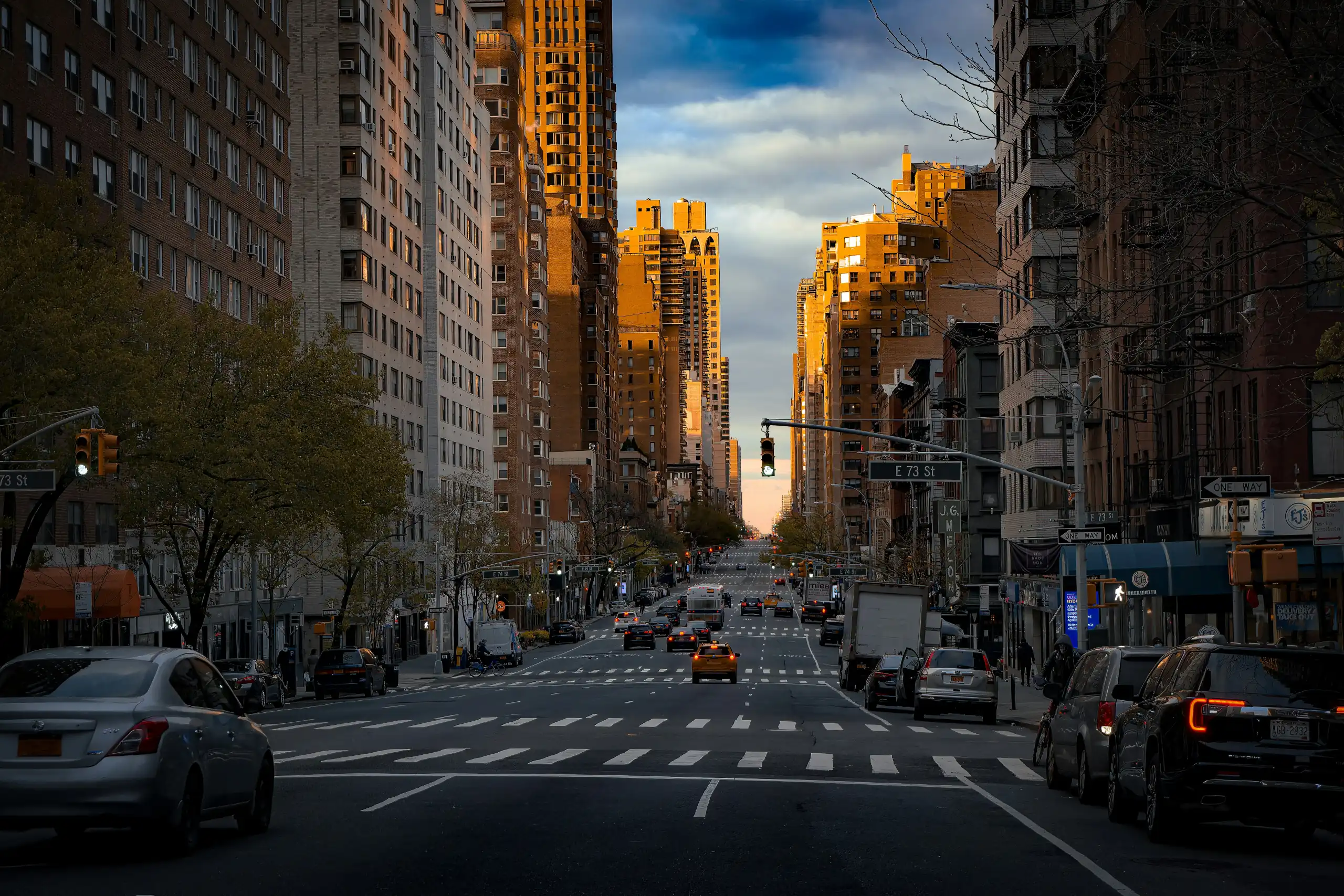
When buyers walk into a Manhattan apartment for the first time, they tend to notice the obvious: square footage, finishes, the kitchen layout, the closet space. What most people don’t notice — at least not consciously — is the light. And that’s a significant oversight, because in New York City real estate, natural light may be the single most transformative feature a home can have.
Exposure matters. It always has. But in a city where apartments are compact and windows are often limited, it matters more than almost anything else on the listing sheet.
Why Natural Light Changes Everything
Light doesn’t just make a room look nicer. It changes how a space feels to live in every single day. A bright apartment feels larger, warmer, and more welcoming — even if the square footage is modest. A dark apartment, no matter how beautifully renovated, can feel cold and flat the moment the listing photos stop doing the work.
This is especially true in Manhattan, where buyers are often weighing a smaller footprint against a higher price point. In that calculation, great natural light frequently tips the scale. A well-lit apartment with good exposure will almost always outperform a larger, darker one in terms of how it feels to live in — and in terms of resale value down the line.
Understanding the Four Exposures
Not all light is created equal. The direction your windows face shapes the quality, quantity, and timing of the light that enters your home throughout the day.
| Exposure | Light Quality | Best For | Trade-Offs |
|---|---|---|---|
| South | Bright, consistent sun throughout the day | Light-seekers, plant lovers, anyone wanting warmth year-round | Can feel hot in summer; may require window treatments |
| North | Soft, diffuse, even light — no direct sun | Artists, those sensitive to glare, anyone who prefers consistency | Can feel cool or dim, especially in winter |
| East | Bright morning sun; shaded by afternoon | Early risers; great for bedrooms and breakfast nooks | Afternoons and evenings are darker |
| West | Shaded mornings; warm afternoon and evening light | Those who work from home and want afternoon energy; evening entertainers | Morning rooms stay dim; afternoon glare possible in summer |
Most listings will note the exposure — but knowing what that actually means for your daily life is a different thing entirely. A west-facing living room lights up beautifully for a dinner party. An east-facing bedroom is ideal if you’re someone who naturally wakes with the sun. Understanding the rhythm of the light matters as much as knowing the direction.
Light on Lower Floors: What to Watch For
Floor matters just as much as exposure. An apartment with southern exposure on the third floor of a building surrounded by taller neighbors may receive far less light than the exposure suggests. When evaluating any apartment, it’s worth considering what’s directly across the street or courtyard — and how that changes things at different times of year.
A high-floor apartment with northern exposure can still feel luminous. A low-floor apartment with southern exposure may feel surprisingly dim. The only way to know for certain is to visit the space — ideally more than once, at different times of day.
This Post Is for You If…
| You’re a… | Why exposure matters for you |
|---|---|
| First-time buyer | You may not realize how much dark or dim light affects daily mood and livability until you’ve lived with it |
| Remote worker | The light in your home office shapes your energy and productivity for hours each day |
| Downsizer | Moving to a smaller footprint makes natural light even more critical — it can make a compact apartment feel generous |
| Investor | Well-lit apartments consistently command stronger resale and rental premiums in Manhattan |
| Luxury buyer | In premium buildings, exposure is one of the defining factors in unit-to-unit pricing |
What to Do Before You Fall in Love With the Photos
Listing photos are optimized for impact. Wide-angle lenses, bright editing, and the right time of day can make almost any apartment look luminous. That’s not deceptive — it’s marketing. But it does mean that photos alone can’t tell you what the light in that apartment actually feels like at 7 a.m. on a Tuesday in January.
Here’s what we recommend instead:
- Visit the apartment at a different time than your first showing. If you saw it mid-morning, come back in the late afternoon. If you saw it on a sunny day, try to picture it on an overcast one.
- Stand at the windows and look out. Note what’s directly across from you — other buildings, a courtyard, a park, an open street. That view shapes the light.
- Check the floor. The higher you are, the more sky you see and the less you’re blocked by neighboring structures.
- Ask about obstructions. Are there planned developments across the street? A building going up nearby can dramatically change the light picture within a few years.
In Manhattan, great light is not a minor luxury. It’s one of the few features that genuinely cannot be renovated in. You can update a kitchen, replace fixtures, and refinish floors — but you cannot add south-facing windows to an apartment that doesn’t have them.
How Light Affects Value
Appraisers and seasoned agents have long understood what buyers are starting to recognize: light commands a premium. In the Upper East Side market, two comparable apartments in the same building — same size, same layout, similar condition — can trade at meaningfully different prices based on exposure and floor. A top-floor corner unit with southern and western exposure will almost always outperform a mid-floor interior apartment, all else being equal.
For sellers, this is also worth understanding. If your apartment has exceptional light, it’s a feature to be highlighted — not just mentioned in passing. Great light photographs beautifully, shows powerfully, and helps buyers make emotional connections faster.
If you’re thinking about buying or selling and want guidance on evaluating light, exposure, and the other factors that shape long-term value in Manhattan, we’re here to help.
Related reading: Co-op Sales in Manhattan | Condo Sales in Manhattan | First-Time Buyers in Manhattan | Downsizing and Empty Nesters
Frequently Asked Questions
Does exposure really affect apartment prices in Manhattan?
FACT: Yes, meaningfully. South-facing and high-floor apartments consistently command premiums in Manhattan’s resale market. When all other factors are equal, light and exposure are among the most reliable value differentiators between units in the same building.
What is the best exposure for a Manhattan apartment?
FACT: South-facing exposure is generally considered most desirable because it delivers consistent, bright natural light throughout the day. That said, the best exposure depends on your lifestyle — east-facing suits morning people, west-facing works well for those who work from home or entertain in the evenings, and north-facing appeals to those who prefer soft, glare-free light.
Can I tell from listing photos how much natural light an apartment gets?
FACT: Not reliably. Professional listing photos are taken in optimal lighting conditions and often use wide-angle lenses that exaggerate brightness and space. The only accurate way to evaluate light is to visit the apartment in person — ideally at multiple times of day.
How do I know if a lower-floor apartment will have good light?
FACT: You need to assess what’s directly across from the apartment’s windows — other buildings, an open street, a courtyard, or a park. A lower floor can still have good light if there’s sufficient distance from neighboring structures or open space in front of it. An experienced agent can help you evaluate this accurately.
Does light matter more for co-ops or condos?
FACT: Light matters equally across both property types. However, it can factor into co-op board packages indirectly — well-lit, desirable apartments tend to attract stronger buyers, which reflects positively on overall building values. Learn more about buying a co-op in Manhattan or buying a condo in Manhattan.
What should I look for during a showing to evaluate natural light?
FACT: Stand at each window and note the direction it faces, what’s directly across from it, and how high up you are relative to neighboring buildings. Check whether there are planned developments nearby that could block light in the future. If possible, visit at more than one time of day.
The Bottom Line
In Manhattan real estate, natural light is not a bonus feature — it’s a foundational one. It shapes how a home feels to live in every single day, affects how it photographs, and influences its long-term value in ways that go beyond any renovation. Before you make an offer, take a moment to stand in the space, notice the light, and think about what it will feel like on a winter morning in February. That moment of attention can save you from a decision you’ll regret — and help you recognize a genuinely great apartment when you’re standing in one.
The Stacey Froelich Team at Compass
📞 (917) 623-7616 | staceyfroelichteam@compass.com
Social Cookies
Social Cookies are used to enable you to share pages and content you find interesting throughout the website through third-party social networking or other websites (including, potentially for advertising purposes related to social networking).